The Unseen Archive: Mastering the Art of Cataloging a Collection No One Else Will Ever See

There is a particular kind of satisfaction available only to those who understand that a collection's worth is not determined by how frequently it is seen. The rarest Birkin, the unworn couture gown, the limited-edition sneaker sealed in its original tissue—these pieces derive their significance not from performance but from provenance, condition, and the quiet certainty of ownership. For the serious collector, the inventory is not a spreadsheet. It is a practice.
This distinction matters more than most casual enthusiasts appreciate. The difference between a wardrobe and a collection lies not in the quality of individual acquisitions but in the rigor with which those acquisitions are understood, documented, and protected. To own without cataloging is, in the most precise sense, to possess without truly knowing what you have.
Documentation as a Form of Mastery
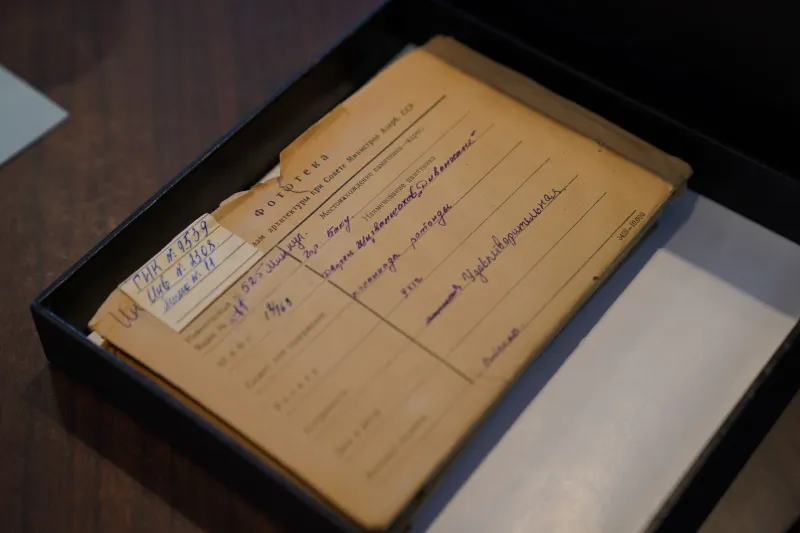
Elite collectors in the United States increasingly approach their wardrobes the way museum curators approach institutional holdings. Each significant acquisition is treated as an artifact deserving of a formal record. That record typically begins at the moment of purchase and grows more detailed over time, incorporating receipts, certificates of authenticity, photographs taken under controlled lighting, and written condition assessments that note everything from stitching integrity to the faintest evidence of wear at a cuff.
The process is exacting by design. A collector who has spent six figures assembling a curated group of postwar Japanese denim, or who holds a private archive of early-era Balenciaga under Nicolas Ghesquière, understands that the documentation surrounding those pieces is inseparable from their value. Should a piece ever be resold, loaned to an exhibition, or passed to an heir, the accompanying record determines how it will be received—and what it will command.
This is not mere record-keeping. It is the intellectual infrastructure of serious collecting.
The Tools Sophisticated Collectors Are Using Now
Digital cataloging platforms have matured considerably over the past decade, and the most discerning collectors have moved well beyond basic spreadsheets. Applications such as Curated, Stylebook, and dedicated collection management software originally developed for fine art—platforms like Artwork Archive and Collector Systems—are increasingly being adapted for high-value fashion and accessories.
These tools allow collectors to assign each piece a unique identifier, attach multiple high-resolution images, log provenance documentation, and track condition changes over time. Some platforms integrate directly with insurance providers, allowing policy coverage to update automatically as the collection grows. Others offer encrypted cloud storage, ensuring that records remain accessible even if physical documentation is lost or damaged.
Beyond software, a growing number of serious collectors are engaging professional archivists and collection managers—specialists who bring a conservator's sensibility to the wardrobe. These professionals conduct formal condition surveys, recommend appropriate storage solutions, and maintain running inventories that adhere to archival standards. In cities like New York, Los Angeles, and Chicago, boutique firms now offer this service specifically to private fashion collectors, a development that would have seemed eccentric a generation ago and today reads as simply prudent.
The Psychology of Owning What You Do Not Display
Perhaps the most demanding aspect of serious collecting is not the financial commitment or the logistical complexity. It is the psychological discipline required to derive genuine satisfaction from pieces that remain entirely out of sight.
American culture tends to conflate ownership with display. The assumption is that possessing something beautiful obligates one to share it—to wear it, photograph it, present it to some audience. The serious collector has learned to resist this pressure entirely. The value of a piece is not diminished by its invisibility. In many cases, it is enhanced by it.
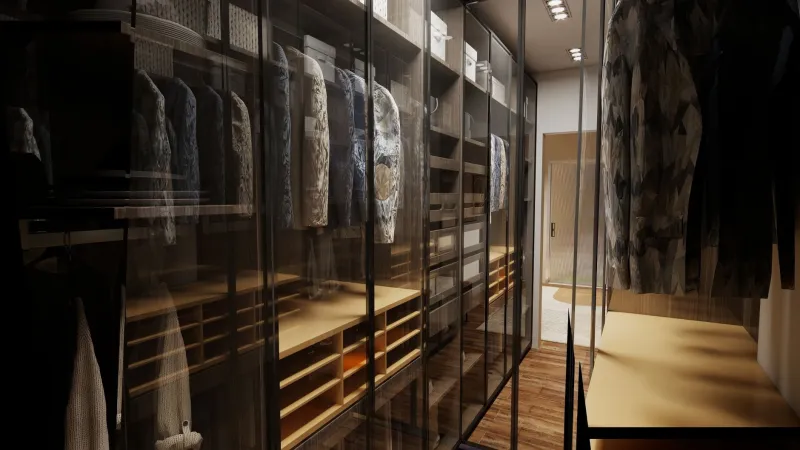
This orientation requires a recalibration of what ownership means. The collector who opens a climate-controlled storage cabinet and surveys a row of pristine, documented acquisitions—each in its proper garment bag or archival box, each accompanied by its full record—experiences a satisfaction that is intellectual and aesthetic rather than social. The inventory itself becomes the object of appreciation. To know precisely what one holds, in what condition, with what history, is its own form of luxury.
This is the ethos at the heart of the most refined collecting practice: that knowledge and care constitute a kind of stewardship, and that stewardship is ultimately more demanding—and more rewarding—than mere display.
Condition Assessment as an Ongoing Discipline
A static inventory is insufficient. The most serious collectors treat condition assessment as a recurring practice rather than a one-time event. Twice-yearly reviews are common among collectors with significant holdings, during which each piece is examined under proper lighting, any changes in condition are noted, and storage arrangements are adjusted as needed.
This ongoing attention serves multiple purposes. It protects the financial value of the collection by identifying deterioration early—a slight yellowing of a cream silk blouse, the first signs of hardware tarnish on a vintage bag—before minor issues become irreversible. It also deepens the collector's relationship with each piece, maintaining a familiarity that purely passive ownership cannot sustain.
Some collectors engage textile conservators for annual assessments of their most fragile or historically significant pieces. Others maintain a personal protocol, developed in consultation with a professional, that they execute independently. Either approach reflects the same underlying conviction: that a collection is a living thing requiring active stewardship, not a static accumulation requiring only space.
Authentication Records and the Question of Verification
As the secondary market for luxury goods has grown more sophisticated—and more lucrative—authentication documentation has become correspondingly more important. A piece acquired directly from a house carries its original receipt and, where applicable, a certificate of authenticity. A piece acquired through a reputable reseller should come with that seller's verification documentation. A vintage acquisition may require independent authentication from a recognized specialist.
Serious collectors maintain all of this documentation in organized, accessible form—both physically and digitally. The physical record might live in a dedicated archival binder, organized by acquisition date or category. The digital record mirrors it, with scanned copies of every document stored securely offsite. This redundancy is not paranoia; it is the standard of care that distinguishes a collection from a closet.
For pieces of exceptional value or historical significance, some collectors commission independent appraisals at regular intervals, updating their records to reflect current market conditions. This practice is particularly common among collectors who hold early archive pieces from houses that have since undergone significant creative transitions—moments in a brand's history that the market now treats as genuinely collectible.
The Inventory as Legacy
Ultimately, the discipline of cataloging a collection serves a purpose that extends beyond the collector's own tenure with the pieces. A well-documented collection is a coherent legacy. It tells a story—of taste, of judgment, of the particular cultural moment in which each acquisition was made. It gives heirs, estates, and future custodians the context necessary to understand what they have received and how to care for it.
The collector who invests in this kind of documentation is not merely protecting financial value, though that protection is real and significant. They are ensuring that the collection's meaning survives the transfer of ownership. That the provenance chain remains unbroken. That the story continues.
At Secret Collection, we have long held that the most refined approach to luxury is one that takes the long view—that treats each acquisition not as a transaction but as the beginning of a custodial relationship. The unseen archive is where that relationship lives. And for those who understand it, there is no more private or more powerful expression of what it means to collect with genuine intention.