Rarity Reimagined: What True Exclusivity Means in an Age of Infinite Access
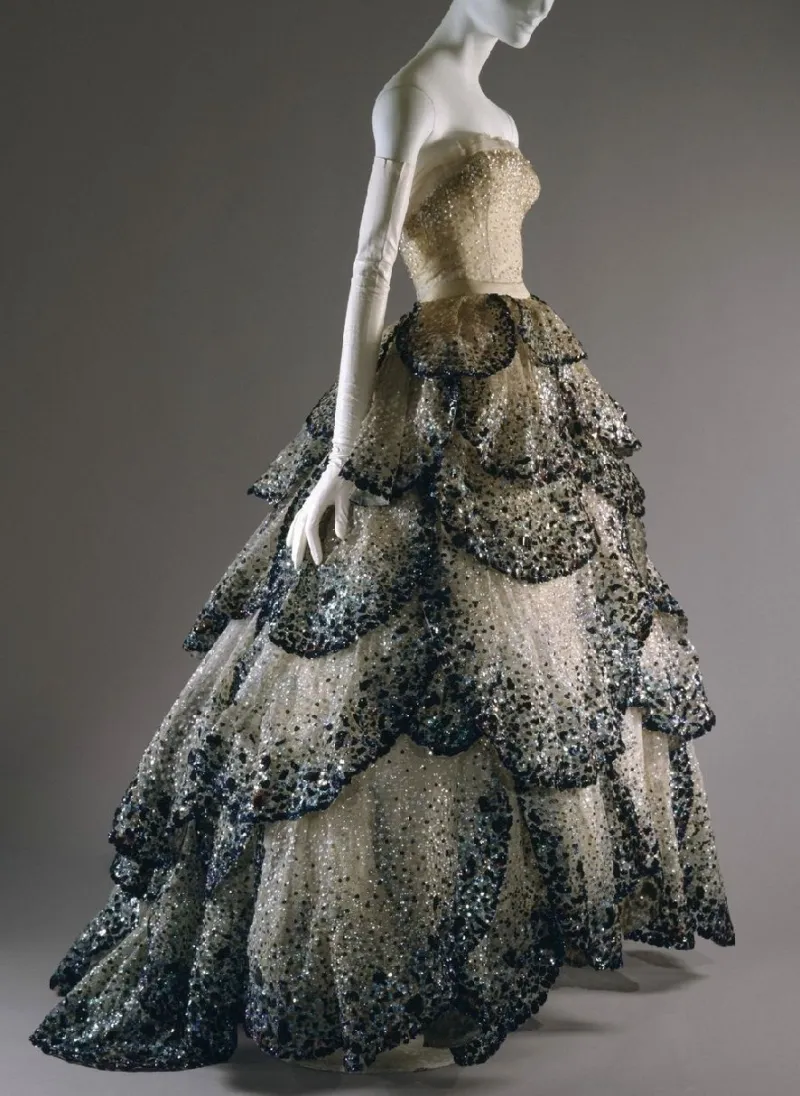
Photo: luxury fashion archive vintage couture garment rare collection editorial, via i.pinimg.com
There was a time when acquiring a piece from a storied European maison required a transatlantic journey, an introduction through the right channels, and the patience of someone who understood that certain things were never meant to be hurried. That era, for better or worse, has receded. Today, a customer in Nashville or Scottsdale can browse the latest offerings from houses that once operated almost entirely on personal referral, placing orders before the ink has dried on a collection's press release.
For a particular category of American collector—one who has long measured the value of an acquisition not merely in dollars but in degrees of inaccessibility—this transformation presents a genuine philosophical challenge. If virtually anyone with sufficient funds can now access the same garments, the same accessories, the same storied names, what exactly does luxury ownership still confer?
The Democratization Paradox
The luxury industry's embrace of digital retail and social media amplification was, in many respects, a calculated trade. Brands gained enormous reach, cultivated aspirational audiences in the tens of millions, and opened revenue streams that would have been inconceivable a generation ago. The cost, however, was the erosion of a carefully maintained mystique.
When a handbag appears simultaneously in a brand's flagship boutique on Madison Avenue, on its global e-commerce platform, and across the feeds of several hundred influencers, it ceases to function as a signal of insider knowledge. It becomes, instead, a highly polished consumer product—beautifully made, perhaps, but no longer the province of those who knew where to look. The paradox is a sharp one: the more aggressively a luxury brand pursues growth, the more it undermines the very quality—scarcity—that justified its premium positioning in the first place.
This is not merely an aesthetic concern. For collectors who approach their wardrobes with the same analytical rigor they bring to fine art or rare wine, the question of true rarity has direct implications for long-term value, both financial and cultural.
Where Genuine Scarcity Still Lives
The response among the most thoughtful collectors has been a deliberate pivot away from conventional runway releases toward categories where access remains genuinely constrained. Three areas, in particular, have emerged as the new frontiers of meaningful exclusivity.
Bespoke and made-to-measure commissions represent perhaps the most unimpeachable form of rarity. A garment created to a single individual's precise specifications—constructed by a hand-selected atelier, finished according to the client's personal requirements—cannot, by definition, be replicated. American collectors with established relationships at houses such as Brioni, Kiton, or the handful of invitation-only American tailors working at the highest level understand that this is where true distinction now resides. The process demands time, trust, and a willingness to engage in genuine dialogue with the craftspeople involved. It is, in every sense, the antithesis of the click-and-purchase model.
Limited editions and capsule collaborations occupy a more complex position. Not all limited releases are created equal—some are limited in name only, with production runs that would have satisfied a mid-century department store. The discerning collector learns to distinguish between genuine scarcity and manufactured urgency. The former is characterized by documented production constraints, involvement of named artisans, and a clear narrative of why fewer pieces exist. When those conditions are met, a limited edition can still carry genuine weight.
Archive and vintage acquisition has, for many serious collectors, become the most intellectually rewarding avenue of all. Pieces from the defining decades of American and European fashion—a Halston bias-cut gown from the early 1970s, an early Donna Karan body suit from her first collection, a pre-conglomerate Balenciaga—exist in finite quantities that no amount of capital can increase. Their rarity is absolute and irreversible. The knowledge required to identify, authenticate, and contextualize such pieces is itself a form of exclusivity, one that cannot be purchased through any digital platform.
Adapting the Collecting Strategy
What this landscape demands is a fundamental reorientation of how one approaches the act of acquisition. The collector who once relied on access to flagship boutiques and seasonal appointments as sufficient differentiation must now think in longer arcs and pursue deeper knowledge.
This means cultivating relationships not only with brands but with independent specialists—archivists, vintage dealers operating at the highest level of authentication, private consultants who move in circles where the most significant pieces never reach public listing. It means understanding the provenance of a piece as carefully as its condition, and recognizing that the story attached to an object is often inseparable from its value.
It also means accepting a certain productive discomfort with the mainstream luxury market. The collections that generate the most social media attention are, almost by definition, the least exclusive. The collector who finds genuine satisfaction in owning what few others possess must be willing to look where the cameras are not pointed.
The Enduring Logic of Restraint
There is, embedded in this moment, an opportunity that pessimism might obscure. The democratization of surface-level luxury has, paradoxically, made genuine rarity more meaningful than ever. When the average aspirational consumer can access a recognizable logo with relative ease, the collector who possesses something that exists outside that system—something that requires knowledge, patience, and a refined sensibility to even identify—occupies a position of distinction that no algorithm can replicate.
The secret, as it has always been, lies not in what one owns, but in why and how one came to own it. That understanding is, and will remain, the true currency of the discerning collector.