Proof of Provenance: The Serious Collector's Guide to Authenticating Luxury Acquisitions
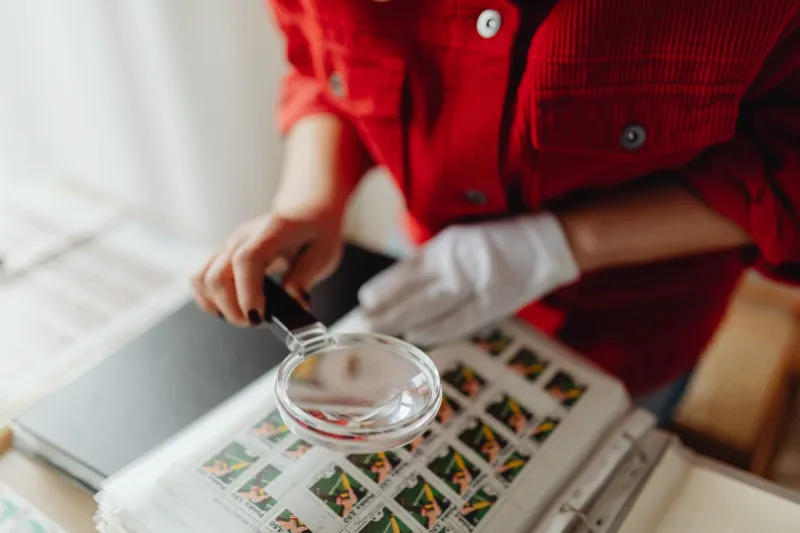
There is a particular silence that settles over a room when a collector lifts a piece from its tissue wrapping and holds it to the light. It is the silence of anticipation — the moment before certainty, when beauty and doubt exist in equal measure. For those who acquire luxury fashion and accessories with genuine intentionality, that moment of uncertainty is not merely emotional. It carries real financial and reputational weight.
Counterfeiting has always shadowed the luxury industry, but the sophistication of today's forgeries demands a level of scrutiny that casual ownership simply cannot afford. Stitching patterns, hardware finishes, serial number placements, and even the specific weight of a leather — every detail that once served as an obvious tell has been studied, replicated, and refined by those who profit from the uninformed buyer. For the serious collector, authentication is not paranoia. It is stewardship.
The First Line of Defense: Developing an Educated Eye
Before any external resource is consulted, the most reliable instrument a collector possesses is a trained and patient eye. This is not innate — it is cultivated through sustained exposure to authentic pieces, careful study of brand archives, and a willingness to examine even trusted acquisitions with honest skepticism.
Luxury houses maintain a remarkable consistency in their production standards across decades. The spacing of a monogram canvas, the alignment of a logo on a clasp, the precise depth of a blind stamp in calfskin — these are not arbitrary details but the result of exacting manufacture. A collector who has handled numerous authenticated pieces from a given maison develops an almost tactile memory for what is correct. That instinct, however, must always be paired with documentation and, when stakes are high, professional verification.
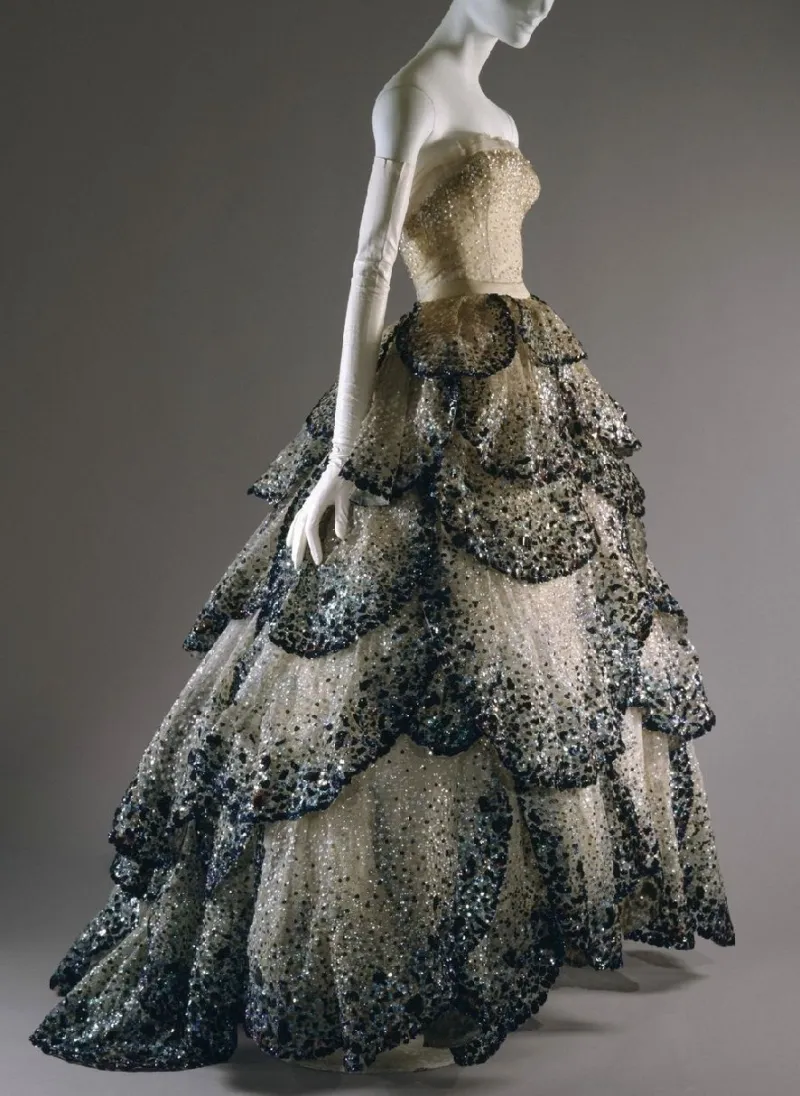
Building this visual literacy takes time, but resources exist to accelerate it. Brand-authorized reference materials, museum retrospectives, and well-curated collector communities — particularly those affiliated with established institutions — offer invaluable comparative context. In the United States, organizations such as the Costume Institute at The Metropolitan Museum of Art and the FIDM Museum in Los Angeles maintain scholarly collections that provide access to authenticated historical pieces, offering a standard against which acquisitions can be measured.
Traditional Authentication Channels: Expertise That Endures
For acquisitions of significant value, the human expert remains irreplaceable. Independent authentication specialists — many of whom have trained directly with luxury houses or through major auction platforms — offer assessments that carry legal and financial credibility.
Auction houses such as Christie's, Sotheby's, and Bonhams maintain dedicated fashion and accessories departments staffed with specialists who authenticate pieces as a matter of professional routine. Their assessments, while typically generated in the context of consignment, can often be engaged independently for private collections. The fee for such a consultation is modest relative to the value it protects.
Beyond auction houses, a network of independent authentication services has emerged in response to the secondary luxury market's expansion. Companies such as Entrupy, Real Authentication, and Authenticate First have built reputations among US collectors for rigorous, documented assessments. These services accept submissions by mail or in person and return formal certificates of authenticity that hold weight in resale contexts.
For wearable pieces with significant historical or artistic provenance — a couture gown worn at a documented cultural event, for instance — textile conservators and fashion historians may be engaged to provide context that extends beyond material authentication into cultural verification.
Emerging Technologies: A New Layer of Certainty
The same technological momentum that has empowered sophisticated counterfeiters has also generated powerful new tools for collectors seeking certainty. Artificial intelligence-driven authentication platforms now analyze high-resolution imagery against vast databases of verified pieces, identifying inconsistencies that escape even trained human observation.
Entrupy's microscopic imaging technology, for example, examines the fiber structure and surface characteristics of leather goods at a cellular level, generating a digital fingerprint that is cross-referenced against authenticated samples. The results are delivered with a stated accuracy rate that has earned the platform recognition from major resale platforms and insurance underwriters alike.
Blockchain-based provenance tracking represents another frontier. Several luxury houses — Richemont's brands among them — have begun issuing digital certificates of ownership embedded in distributed ledger systems, creating an immutable ownership record that travels with the piece across transactions. While this technology is more prevalent in newly produced items than in vintage acquisitions, its adoption signals a broader industry commitment to traceable ownership that will increasingly benefit the secondary market collector.
Radio-frequency identification tags and near-field communication chips, discreetly integrated into garments and accessories during production, offer yet another verification layer. A collector with the appropriate reader application can confirm a chip's authenticity and match it against brand records — a process that takes seconds and removes ambiguity entirely for eligible pieces.
Documentation as a Discipline
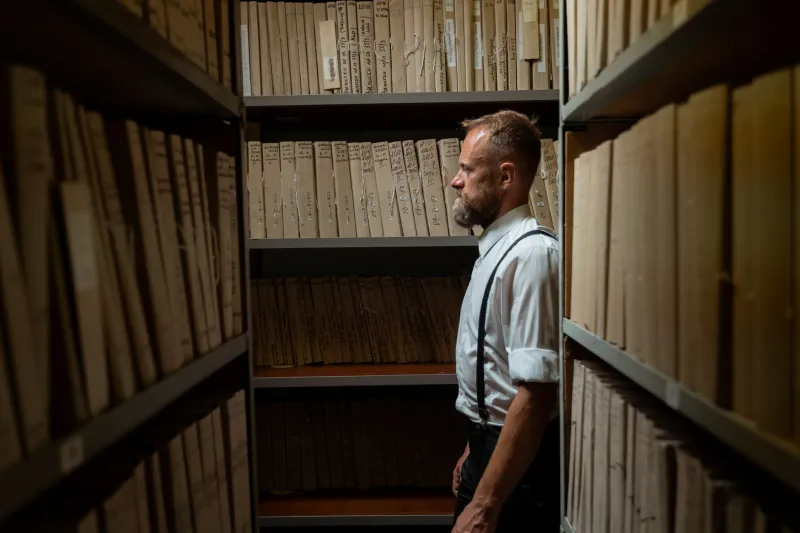
Authentication is not a single event. It is an ongoing practice, and documentation is its foundation. Every acquisition — regardless of source — warrants a dedicated record that captures purchase details, seller provenance, supporting receipts, prior ownership history where available, and any authentication assessments obtained.
This documentation serves multiple purposes simultaneously. It substantiates value for insurance purposes, provides clarity for estate planning, supports resale authenticity claims, and creates a personal archive that deepens the meaning of the collection over time. A leather-bound provenance journal, maintained with the same care given to the pieces it describes, is itself an artifact of considered collecting.
Photography is an essential component of this record. High-resolution images of serial numbers, date codes, hardware details, interior stampings, and any distinguishing marks — captured at the time of acquisition and periodically updated — create a visual archive that can be referenced quickly and shared with authenticators remotely.
The Psychological Stakes of Knowing
There is a dimension to authentication that transcends the financial. When a collector knows with certainty that a piece is genuine — that its stitches were placed by trained hands in a storied atelier, that its hardware was cast from the same alloy specified in the original design brief — the relationship with that object shifts. Wearing or displaying it becomes a fully informed act, unencumbered by the quiet anxiety of unresolved doubt.
Conversely, the discovery that a prized piece is not what it was represented to be is among the more disorienting experiences in collecting. Beyond the financial loss, there is a disruption of narrative — the story the collector had attached to the piece dissolves. This is why authentication, approached with rigor from the moment of acquisition rather than retrospectively, is an act of respect both for the collection and for oneself.
At Secret Collection, we hold that a curated wardrobe is only as strong as the certainty behind it. Each piece should be known as thoroughly as it is admired — its origins documented, its legitimacy confirmed, its place in the collection earned not merely by beauty but by verified truth. In a market where sophistication cuts both ways, that certainty is among the most refined luxuries available.